


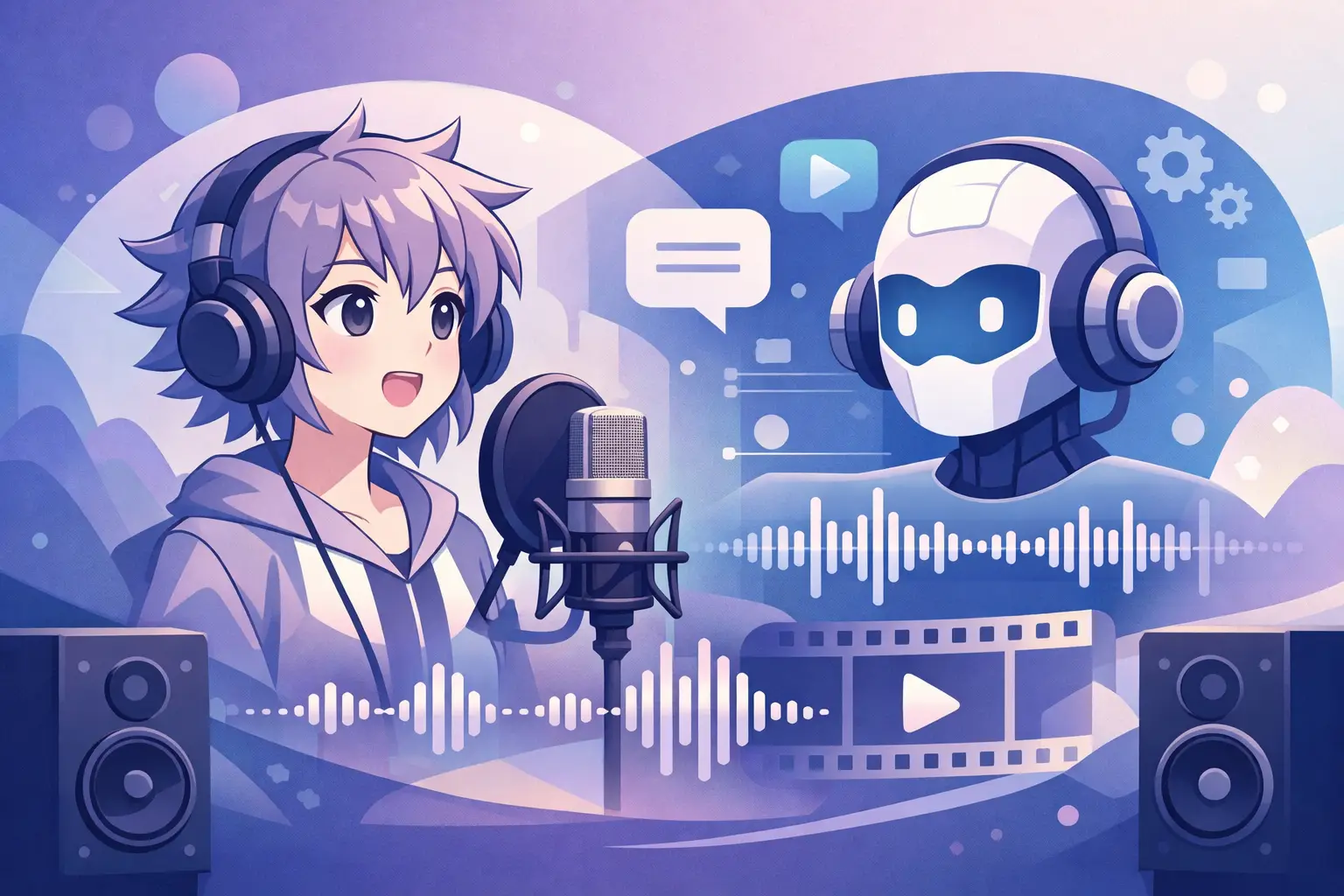
If you post anime edits, fan dubs, recap channels, or original animated shorts, bad voiceover stands out fast. The wrong pacing kills the joke, the wrong tone flattens the scene, and stiff delivery makes even great visuals feel cheap. A strong anime dubbing AI voice generator fixes that by giving creators faster turnaround, cleaner character consistency, and a workflow that actually keeps up with short-form publishing.
That matters more than most creators expect. Anime-style content lives on timing, exaggeration, and character identity. You are not just generating speech. You are matching a personality, landing a reaction, and making sure the voice feels right for the frame.
What makes an anime dubbing AI voice generator actually good?
A lot of tools can read a script. Far fewer can handle anime-style dubbing in a way that feels usable for content production. The difference usually comes down to control, speed, and how much cleanup you need after export.
Expressive range
High-energy dialogue, deadpan reactions, dramatic narration, and playful character bits — without the flat synthetic rhythm that kills scene energy.
Timing control
Anime edits depend on quick cuts and punchline pacing. If your tool makes you fight delivery one line at a time, you lose the speed advantage AI should give you.
Output readiness
MP3 to drop in the timeline plus SRT captions ready to style. If your tool adds formatting work after generation, it slows down the entire publishing loop.
Character consistency
The same villain should sound the same in episode 3 as in episode 1. Consistent character voice identity matters for serialized anime content.
Where most tools fall short
The biggest problem is that many AI voice tools are built as general-purpose text-to-speech products, not creator tools. That sounds fine until you are posting daily and trying to move from script to finished short without opening five different apps.
Some platforms give you decent voices but weak export options. Others offer voice cloning but make the setup too technical for fast content production. Some sound polished for narration but struggle with anime-style character energy. And some have unclear policies around cloned voices, which is not a small issue if you are building a channel or managing client work.
For creators, the trade-off is rarely about one feature in isolation. It is about whether the full workflow holds up under real posting pressure.
Try anime dubbing voices — generate your first line free
Character voices · villain narration · expressive reads · MP3 + SRT export · commercial rights included
Browse anime-style voices →Best use cases for an anime dubbing AI voice generator
The best fit depends on the kind of anime content you make. A reaction-heavy comedy dub needs something different than a recap channel or a lore explainer.
Faceless anime recap channels
Consistency usually matters more than extreme character acting. You want a reliable narrator voice that stays clean across episodes and can be generated quickly in batches. Natural pacing and easy export matter most.
Short skits, memes, and parody dubs
Expressive character voices become more important. You need variety in tone and a voice library that can get closer to animated styles without sounding harsh or robotic.
Original anime-inspired stories
For TikTok and YouTube Shorts, word-level highlighting and accurate timing improve retention because viewers follow the dialogue visually while the scene moves fast.
Voice cloning for recurring characters
If you want a repeatable narrator or specific character voice across episodes, cloning your own voice keeps the identity consistent without re-recording every batch.
How to choose the right anime dubbing AI voice generator
Start with voice style, but do not stop there. A voice that sounds good in a sample may still fail in your actual workflow.
Anime dubbing is full of bursts — surprise, anger, sarcasm, panic, confession, reaction. If every line comes out with the same neutral cadence, the voice will not hold up in edited scenes.
If your content schedule depends on same-day edits, slow rendering becomes a bottleneck. Fast generation changes how often you can test alternate reads, swap tones, or remake a scene before posting.
MP3 is the baseline. SRT captions are a major plus — they cut editing time and help you build the on-screen text style that keeps viewers watching.
If you plan to clone your own voice for anime narration or recurring characters, privacy and policy matter. Clear guardrails, secure data handling, and responsible use policies are non-negotiable.
6 anime-style voices — hear the difference
These six represent the range you need for anime dubbing — from cold villain energy to mischievous trickster to commanding female antagonist. Click play to hear each sample, then hit "Use voice" to open it in the generator.

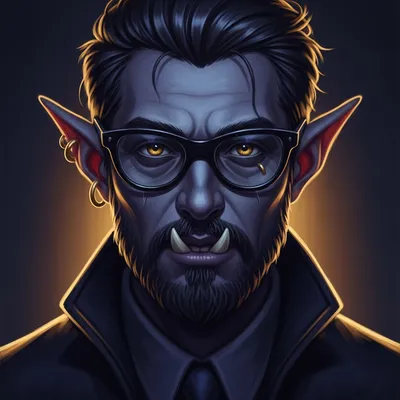




Anime dubbing AI voice generator for short-form creators
This is where the category gets more specific. If your goal is posting polished anime content at speed, the best tool is not always the one with the most features. It is the one that removes friction between idea and upload.
A creator-first platform should let you pick a voice or clone one, generate audio quickly, and export assets that are already useful in your editing stack. That is especially true for YouTube Shorts, TikTok storytelling, and automation-style channels where volume and consistency matter as much as quality.
Vocallab AI fits that workflow well because it is built around fast production, not just voice generation. You can create natural-sounding voiceovers in seconds, work with a curated voice library that includes stylized and character-like options, and export both MP3 audio and SRT captions with karaoke-style word highlighting. For anime edits, recap clips, and short-form dub content, that saves real time in post.
There is also a practical advantage for creators managing a channel identity. If you want a repeatable narrator voice across episodes, the Studio workflow makes voice cloning more usable for ongoing content. Instead of chasing a slightly different sound every time, you can keep the voice consistent across a series.
When AI dubbing works well — and when it does not
AI dubbing is excellent for fast-turn content, experimental formats, meme edits, recap narration, temp tracks, and serialized shorts. It gives solo creators and small teams a way to produce more without waiting on traditional recording sessions.
But there are limits. If you are trying to replicate a very specific copyrighted character performance, that raises creative and legal issues. If your project needs deeply emotional, scene-specific acting with highly nuanced character interplay, human performance may still be the better fit.
Recap narration published dailyMeme edits and parody dubsConsistent multi-episode character voiceSame-day turnaround on short-form clipsBatch generation for automation channels
✅ Deeply emotional cinematic scenesReplicating a specific licensed character voiceMulti-character scenes with nuanced interplayFull-length anime productions with acting direction
What buyers should check before committing
Pricing model matters more than people think. If you publish often, you want a usage system that is easy to predict. Time-based usage can be more practical than vague credit bundles because you know what a script will roughly cost before you generate it.
Free trials help, but they are only useful if they let you test the real workflow. That means trying actual script lengths, checking export quality, and seeing whether the captions line up closely enough for your editing style.
- Test with actual anime script lines — short, emotional, reaction-heavy
- Check generation speed against your posting schedule
- Confirm MP3 + SRT export is included with word-level timing
- Review commercial licensing before monetizing or using for clients
- Verify voice cloning policy if you plan to build a recurring character identity
- Look at security and data handling — voice samples are sensitive assets
Worth knowing Commercial use is a real checkpoint. If you are monetizing anime recap videos, agency content, branded animation, or social ads, licensing clarity matters. Security, refunds, and policy-first voice cloning are not flashy features, but they matter when your content business depends on reliability.
What is the best AI voice generator for anime dubbing?▾
The best anime dubbing AI voice generator combines expressive character voices, fast generation, and export-ready outputs. For short-form creators, look for platforms that include MP3 and SRT caption export alongside a voice library that covers villain energy, high-action reads, and stylized character tones.
Can I use AI voices for anime dubbing commercially?▾
Yes, as long as the platform includes commercial rights. Vocallab includes full commercial rights on every Pro voice. Always check the platform's licensing terms before using audio in monetized, sponsored, or client-facing content.
Can I clone my own voice for anime content?▾
Yes. Voice cloning lets you build a consistent narrator or character identity across a series without recording every episode. On Vocallab, cloning is done through the Studio workflow with privacy and safety guardrails built in.
Do I need SRT captions for anime YouTube Shorts?▾
Captions strongly improve retention on short-form content. Viewers follow dialogue visually while the scene moves fast. Word-level highlighting — where each word lights up as it's spoken — adds extra engagement and is worth including in any anime short-form workflow.
What voice style works best for anime villain characters?▾
Cold, commanding, or sinister tones tend to work best for villain roles. Gravelly or hoarse voices work well for aggressive shonen-style antagonists. Smooth, manipulative reads suit calculating villains. Test multiple options against actual dialogue before committing to a character identity.
Is an anime dubbing AI voice generator worth it?
For most creators publishing anime-style content regularly, yes. The time savings alone can justify it, especially if you are writing, editing, captioning, and posting by yourself. The key is choosing a tool that helps you finish content, not just generate a voice sample.
If your workflow depends on speed, repeatable quality, and export-ready assets, look for a platform built for creators instead of a general voice tech demo. A good anime dubbing setup should make it easier to test ideas, keep your channel consistent, and publish more often without lowering the polish.
That is the real win. Not replacing creativity, but removing the slow parts between a good idea and a finished scene.
Start dubbing anime content — free to try
Character voices, villain reads, and stylized tones · MP3 + word-highlighted SRT · Full commercial rights on every Pro voice.
Near real-time generation · MP3 + word-highlighted SRT · No attribution required