



A free AI horror voice generator turns a written scare into narrated audio — the kind of low, unhurried, slightly-too-calm delivery that makes a creepypasta land at 2am. You paste the script, pick a voice that fits the subgenre, and export audio you can drop straight into a YouTube video, a Short, or a game trailer. No mic, no soundproofing, no acting.
The catch most guides skip: the voice is maybe 40% of the scare. Pacing, silence, script rhythm and a bit of reverb do the rest. This guide covers all of it — what actually makes a voice sound frightening, how to match a voice to your horror subgenre, how to write lines that don't fall flat, and what you realistically get on a free tier. You can jump straight into the horror story narration tool, audition the whole voice library, or keep reading.
What Actually Makes an AI Voice Sound Scary
Beginners reach for screaming, distortion and a pitch slider dragged to the floor. It almost never works. Horror audio scares through restraint — a voice that stays calm while describing something horrifying creates a gap the listener's brain fills in. That gap is the fear.
Four things do most of the work, and only one of them is the voice model itself:
Pacing — slower than feels comfortable
Horror narration runs roughly 20–30% slower than an explainer voiceover. Long sentences delivered unhurried give the listener time to picture the thing you described. Rushing is the single most common mistake in AI horror narration.
Silence as a beat, not a gap
A 1.5–2 second pause before a reveal does more than any sound effect. In your script, force these with paragraph breaks and ellipses, or split the line into a separate generation and place the gap in your editor.
Low pitch and chest resonance
Deeper voices read as threatening because they suggest size. But pick a voice that is naturally deep rather than pitch-shifting a normal one down — artificial pitch-shifting introduces a wobbly, obviously-processed artifact that kills immersion instantly.
Flatness in the wrong places
A narrator who sounds mildly bored while describing a body is far more disturbing than one who sounds upset. Emotional mismatch is the cheapest horror trick that still works.
"AAAH! There was something in the hallway and I RAN and it was SCREAMING at me!"
✅ "There was something in the hallway. It didn't move. I stood there for a long time, waiting for it to."
Match the Voice to Your Horror Subgenre
"Scary voice" is not one thing. A found-footage analog horror piece and a gothic ghost story need opposite deliveries, and using the wrong one makes the whole video feel like a parody. Here's the mapping that actually holds up across formats.
| Subgenre | Voice style | Why it works |
|---|---|---|
| Creepypasta / r/nosleep | Ominous male, conversational | Sounds like someone telling you what happened to them — first-person believability beats theatrics |
| True crime & unsolved | Steely, measured, unemotional | Restraint signals that the facts are bad enough on their own |
| Supernatural / gothic | Silky, refined, slightly amused | The narrator knowing more than you do is the whole tension |
| Psychological thriller | Manipulative, warm-then-cold | Listeners trust the voice, then get punished for it |
| Analog horror / game trailers | Robotic, processed, inhuman | Wrongness without emotion — the uncanny valley used deliberately |
| Jumpscare Shorts / TikTok | Low male, tight and fast | Under 30 seconds you need dread immediately, not a slow build |
Demon, ghost and entity voices
For non-human characters, start with a naturally deep or cold voice and process it in your editor rather than expecting the generator to do everything. The standard recipe: generate the line clean, duplicate the track, pitch one copy down slightly, detune it a few cents, and mix it under the original at 30–40%. That layered, doubled quality is what most "demon voice generator" results are actually doing under the hood.
For a ghost, the trick is the opposite — thin the voice out. High-pass filter it, push it further back with reverb, and drop the volume so the listener leans in. Something quiet and half-heard is scarier than something loud.
Narrate your horror story in seconds
Paste your creepypasta, pick a sinister narrator, and export audio for YouTube, Shorts or TikTok.
Open the horror narration toolSix Horror Voices Worth Auditioning
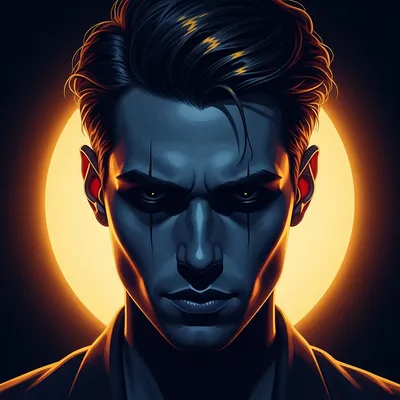
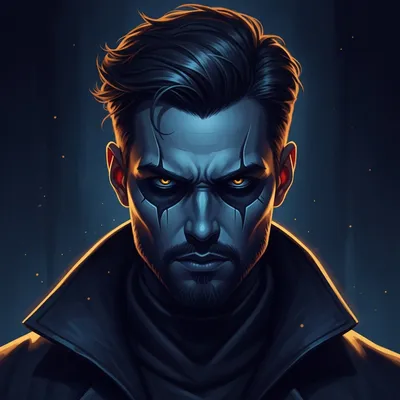
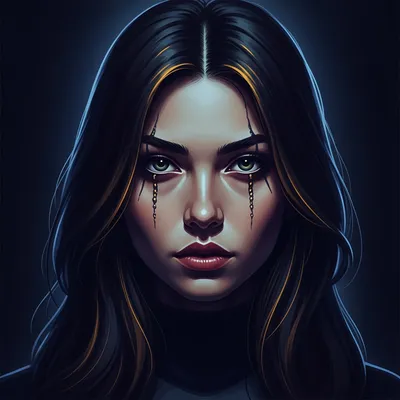
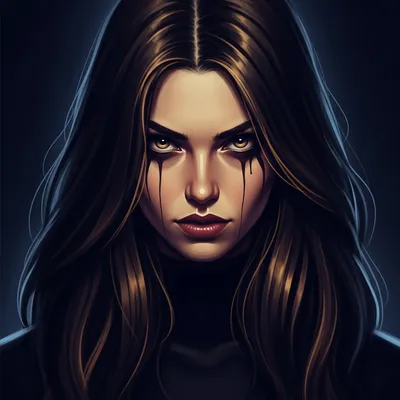
These six cover most of the horror spectrum — sinister narrator, cold villain, gothic British, inhuman robotic, and a manipulative storyteller for twist endings. Press play on each before you commit to one for a whole series; consistency across episodes matters more than picking the single "best" voice.
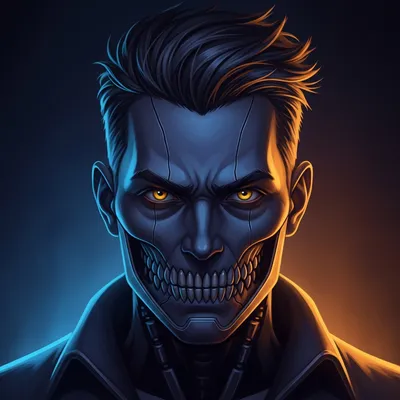
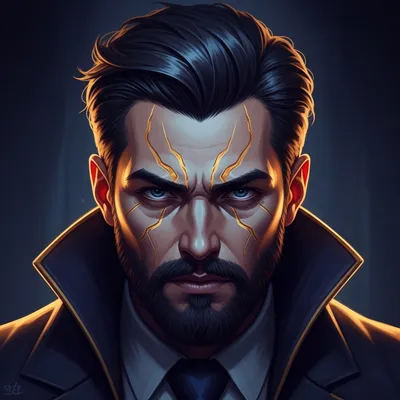
| Voice | Accent | Tone | Rating |
|---|---|---|---|
| Sinister Male Thriller Voice | Neutral American | Ominous | ★★★★★ |
| Intimidating Steely Male Antagonist | Neutral American | Steely | ★★★★★ |
| Silky British Female Narrator | British | Silky | ★★★★★ |
| Menacing Female Villain Voice | Neutral American | Cold | ★★★★★ |
| Menacing Robotic Male Narrator | Neutral American | Robotic | ★★★★★ |
| Manipulative Male Narrator Voice | Neutral American | Manipulative | ★★★★☆ |
Writing a Horror Script That Survives Narration
Text that reads fine on a page often collapses when spoken. Horror is especially unforgiving because the scare depends on rhythm, and rhythm is a property of the sentence, not the voice. A few rules that consistently improve the output:
- Write in short sentences near the scare. Long, winding sentences build atmosphere; short ones deliver the hit. Alternate deliberately — three long, then one of four words.
- Put the frightening image at the end of the sentence. "Something was standing in the doorway" beats "In the doorway, something was standing." The last word is what the listener sits with.
- Use concrete, physical detail. "The smell of wet copper" scares; "an evil presence" does not. Specificity is what makes the listener's imagination cooperate.
- Punctuate for breath, not for grammar. Add commas and paragraph breaks where you want the narrator to pause, even if an editor would flag them.
- Read it aloud yourself first. If you stumble over a line, so will the model. Anything you can't say naturally should be rewritten.
- Never explain the monster. The moment you describe it fully, it stops being frightening. Withhold.
Working from Reddit threads? If you narrate r/nosleep or r/LetsNotMeet posts, edit before you generate — strip usernames, edit summaries and "EDIT: thanks for the gold" lines, and trim the setup. Most posts have a 200-word preamble that kills the pace. See the guide on turning Reddit stories into narration for the full workflow.
How to Generate Horror Narration (Step by Step)
Trim and format the script
Cut the preamble, break it into paragraphs at every intended pause, and spell out anything a model might mispronounce — place names, invented words, dates.
Audition on one paragraph
Generate the single scariest paragraph in two or three voices before spending points on the full read. This is the cheapest way to avoid re-rendering an eight-minute story.
Generate the full narration
Render the whole script once you've locked the voice, so the tone stays identical across the piece. Use the same voice for every episode in a series.
Mix in your editor
Add room tone, reverb and silence (next section). This step is what separates a real horror video from an obvious TTS read.
Export and publish
Drop the finished audio into your video, or use it as the base layer for [YouTube Shorts voiceovers](/ai-tools/generate-youtube-shorts-voiceovers) and vertical edits.
Mixing: Where the Fear Actually Comes From
A clean AI voice on a silent track sounds like an audiobook, not a haunting. Three cheap moves fix that, and none of them require a paid plugin.
Room tone
Lay a near-silent bed of air conditioner hum, wind or distant traffic under the whole track at -40dB or lower. Total silence reads as 'recording'; faint noise reads as 'a place'.
Reverb, sparingly
A short room reverb at 10–15% wet places the narrator somewhere physical. Anything above 30% turns horror into a cathedral announcement.
Engineered silence
Cut the room tone out entirely for half a second right before a reveal. The sudden absence of noise is a jumpscare that costs nothing.
One more: resist scoring the whole piece. Music under every line desensitises the listener. Bring the score in late, let it swell for the reveal, then cut it dead. Silence after a loud moment is more unsettling than the loud moment.
The Free Tier, Honestly
"Free" in AI voice tools usually means a trial, and it's worth being upfront about what that means here. A free VocalLab account starts with 60 points and one voice clone. Points are roughly one point per second of generated audio — the exact cost is calculated per character, so treat "≈1 point per second" as a rule of thumb rather than a promise.
In practice, 60 points is enough to audition several horror voices on a paragraph or two and hear which one fits your channel — not enough to narrate a full ten-minute creepypasta. That's deliberate: auditioning is where the free tier is genuinely useful, and it's the step most creators skip before committing to a voice for a whole series.
For ongoing publishing, the paid tiers are Lite at $9/month and Pro at $24/month, which add a much larger monthly point allowance, more clone slots and commercial usage. Full breakdown on the pricing page.
What Else You Can Build With It
Creepypasta narration
Full-length horror stories with a consistent narrator across every episode.
Demon & entity voices
Inhuman, layered voices for possession scenes, game bosses and analog horror.
Script-to-narration
Turn a finished screenplay or short story into narrated audio in one pass.
Horror Shorts & TikTok
Fast, punchy voiceovers for vertical formats where dread has to land in 20 seconds.
Reddit horror readings
r/nosleep and r/LetsNotMeet threads converted into faceless-channel narration.
Want the narrator to be you? If your channel is built on a recognisable voice, record one short sample and clone your own voice — then generate every episode in it without ever opening a mic again. Browse the rest of the catalogue in AI tools, or read the companion guides on choosing an AI narrator voice and the tonal opposite, voices for sleep stories.
Frequently Asked Questions
Is there a genuinely free AI horror voice generator?▾
There's a free tier rather than an unlimited free tool. A VocalLab account starts with 60 points and one voice clone, which is enough to audition several horror voices on real paragraphs of your script. Points are charged per character generated — roughly a point per second of audio as a rule of thumb — so a full-length creepypasta narration needs a paid plan.
Which AI voice sounds the scariest?▾
It depends on the subgenre. A sinister, ominous male voice suits creepypasta and conspiracy content; a steely, unemotional voice suits true crime; a silky British voice suits gothic and supernatural stories; a robotic voice suits analog horror and game trailers. Audition a few from the grid above rather than assuming the deepest voice wins — restraint scares more reliably than growling.
How do I make an AI voice sound like a demon or a ghost?▾
Start from a naturally deep, cold voice, then process it in your editor: duplicate the track, pitch one copy down slightly, detune it a few cents and mix it under the original at around 30–40% for that layered, inhuman quality. For a ghost, do the opposite — high-pass the voice to thin it out, push it back with reverb and lower the volume so the listener has to lean in.
Can I use AI horror narration on a monetized YouTube channel?▾
Yes — AI narration is widely used on faceless horror channels, Shorts and TikTok. Commercial usage rights come with the paid plans, so check the pricing page for the specifics before you monetize a channel built on generated audio.
Why does my AI horror narration sound flat instead of scary?▾
Usually it's the script and the mix, not the voice. Slow the pacing down, break the text into paragraphs so the narrator pauses where you want, put the frightening image at the end of each sentence, and add room tone plus a light reverb underneath. A clean voice over total silence always sounds like an audiobook.
Give your horror story a voice that stays calm while it terrifies
Paste your creepypasta, pick a sinister narrator, and export audio for YouTube, Shorts, TikTok or a game trailer — start free.
Related: Demon voice generator and Turn Reddit stories into narration.