


Most first-time mistakes in self-narrated audiobooks happen before a single chapter is generated. Authors paste in text that still has front matter and page furniture, pick a voice off a 10-second clip, and generate the whole book before listening to any of it. Every one of these is fixable in minutes once you know to look for it.
This is a list of the mistakes that show up most often in a debut audiobook, with the fix for each one. None of them require special software or production experience; they require slowing down at the exact point where it is tempting to speed up.
Mistake 1: Pasting in the Whole Manuscript, Furniture Included
A manuscript file is full of things nobody wants read aloud: page numbers, a running header with the book title, chapter ornaments, a table of contents, sometimes a copyright block repeated at the top of every chapter. Paste that straight into a narration tool and the voice will read every line of it, flatly, in the middle of your opening page.
The fix is a five-minute pass through the file before you generate anything. Strip headers, footers, page numbers, and decorative chapter markers, and leave only the prose. Do this once per chapter as you export it, not as a single frantic cleanup after the whole book has already generated.
Mistake 2: Choosing a Voice From a 10-Second Sample
A voice sample is built to sound good in isolation. It rarely tells you how that same voice handles a long sentence with three clauses, a piece of internal monologue, or a stretch of dialogue between two characters. Pick a narrator on the strength of a promo clip and you can end up eight chapters in before you notice the pacing is fighting your prose.
The real fix: Audition candidates against your own two pages, not a stock demo. Generate the opening of your actual chapter one in three or four different voices and compare them side by side before you commit to any of them.
Mistake 3: Picking a Dramatic Voice for a Quiet Book
A voice built for trailers and documentaries sounds commanding for thirty seconds and exhausting for eight hours. If your novel lives mostly in a character's head, interior reflection and quiet observation, a booming narrator fights the material on every page. Match the register of the voice to the register of the book, not to what sounds most impressive in a sample.
A Quick Test
Read your quietest, most internal paragraph out loud in your own head in the narrator's voice before you generate it. If it sounds like a movie trailer, the voice is wrong for that scene even if it sounded great on the sample line.
Mistake 4: Generating the Whole Book Before Listening to Any of It
This is the most expensive mistake on the list because it compounds every other one. If the voice is wrong, the pacing is off, or the text still has stray formatting in it, you find out after every chapter has already rendered instead of after the first one.
Generate your sample chapter before you commit
Turn your own opening chapter into audio and listen end to end before you narrate the rest of the book.
Generate a sample chapterMistake 5: Ignoring Pace
Over eight or ten hours, pace matters more than the timbre of the voice itself. A narrator that sounds beautiful but rushes through every sentence tires a listener out long before a plainer voice with better pacing would. Listen for how the voice handles the ends of sentences and the space between paragraphs, not just how it sounds on a single line.
You can adjust delivery within the tool itself; the pacing and pauses guide covers the practical controls for slowing a voice down without making it sound artificial. Check pacing on a full chapter, not a paragraph, since rushed delivery is easy to miss in a short clip and obvious across ten minutes.
Mistake 6: Expecting the Voice to Read Subtext
A narrator, human or AI, reads what the punctuation and sentence structure tell it to read. If a line is meant to land as sarcastic, hesitant, or bitter, and nothing on the page marks that, the narration will read it straight. This is not a flaw specific to AI narration; it is true of cold readings generally.
The fix lives in your text, not in the settings panel. A short dash, a shorter sentence, an italicized word, or a beat of description before the line does more to shape delivery than anything you can adjust after the fact. If a line keeps landing flat, rewrite the punctuation around it before you regenerate.
"I'm fine," she said, and walked away. — read in a flat, neutral tone with no hint of the line's real meaning.
✅ "I'm fine." She walked away. — the short, clipped sentences alone push the delivery toward something closer to what the scene needs.
Voices Worth Auditioning Against Your Own Prose
None of these will be right for every book. Use them as a starting shortlist, generate your own opening chapter in two or three of them, and let the comparison decide.
| Voice | Accent | Tone | Rating |
|---|---|---|---|
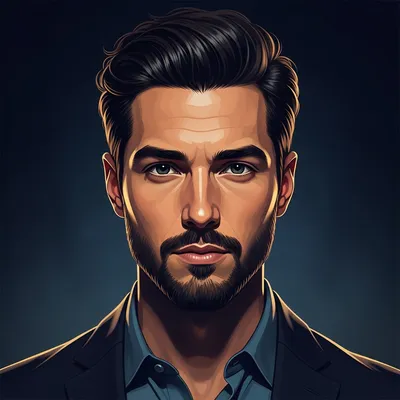
| Intimate Male Audiobook Narrator | Neutral American | Intimate | ★★★★★ |
| Bright Expressive Female Storytelling | Neutral American | Expressive | ★★★★☆ |
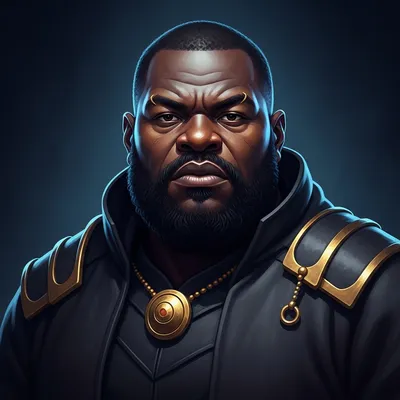
| Deep Gruff Male Narrator | Neutral American | Commanding | ★★★★★ |
| Warm Natural Female Explainer | Neutral American | Warm | ★★★★★ |
| Calm British Male Narrator | British | Calm | ★★★★★ |
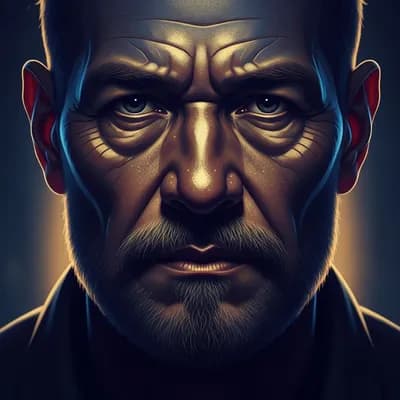
| Gravelly Male Documentary Voice | Neutral American | Weathered | ★★★★★ |



If You Want the Book in Your Own Voice
Some authors would rather narrate in their own voice than pick from a library. Cloning your voice for narration needs 10 to 15 seconds of clean audio to start from, and after that you can generate the rest of the book without sitting through hours of studio recording. See AI voice cloning for creators for the broader walkthrough of how cloning works.
Full-length novel narration
Consistent narration across an entire book, chapter by chapter.
Listening back before you commit
Hear a chapter read aloud so you catch pacing and formatting problems early.
Matching narration style to genre
Compare narration styles suited to thrillers, literary fiction, and everything between.
The Six Mistakes, Recapped
Unstripped manuscript text
Remove page numbers, headers, and chapter ornaments before you paste any chapter in.
Voice picked from a short sample
Audition candidates against your own two pages, not a promo clip.
Dramatic voice, quiet book
Match the narrator's register to the book's register, not to what impresses on a demo.
Whole book before listening
Generate one chapter, listen to all of it, then commit to the rest of the book.
Pace ignored
Check pacing across a full chapter; it matters more than timbre over a long book.
Subtext expected from nowhere
Punctuation and sentence structure carry tone. Rewrite the line if it keeps landing flat.
Frequently Asked Questions
How much of my manuscript should I clean up before generating?▾
Strip page numbers, running headers, and chapter ornaments from each chapter before you generate it. Leave the prose itself untouched; formatting cleanup is the only preparation that matters.
Should I pick my narrator from the voice library samples?▾
Use the samples to build a shortlist, not to make the final choice. Generate your own opening chapter in two or three candidates and compare them against each other before committing.
How do I know if the pacing is right?▾
Listen to a full chapter at normal speed, not a short clip. Rushed delivery is easy to miss over thirty seconds and obvious over ten minutes.
Can I fix a line that sounds flat or sarcastic?▾
Adjust the punctuation and sentence structure around that line rather than expecting the narrator to infer tone that isn't marked on the page. A short dash or a shorter sentence often does more than any setting.
Do I have to generate the whole book before I know if the voice works?▾
No. Generate one full chapter, listen to all of it, and only then commit the voice to the rest of the manuscript.
Generate your first chapter before you commit
Turn your actual opening chapter into audio, listen end to end, and pick your narrator with real evidence.